

Yarn for socks and stockings check what you wear!

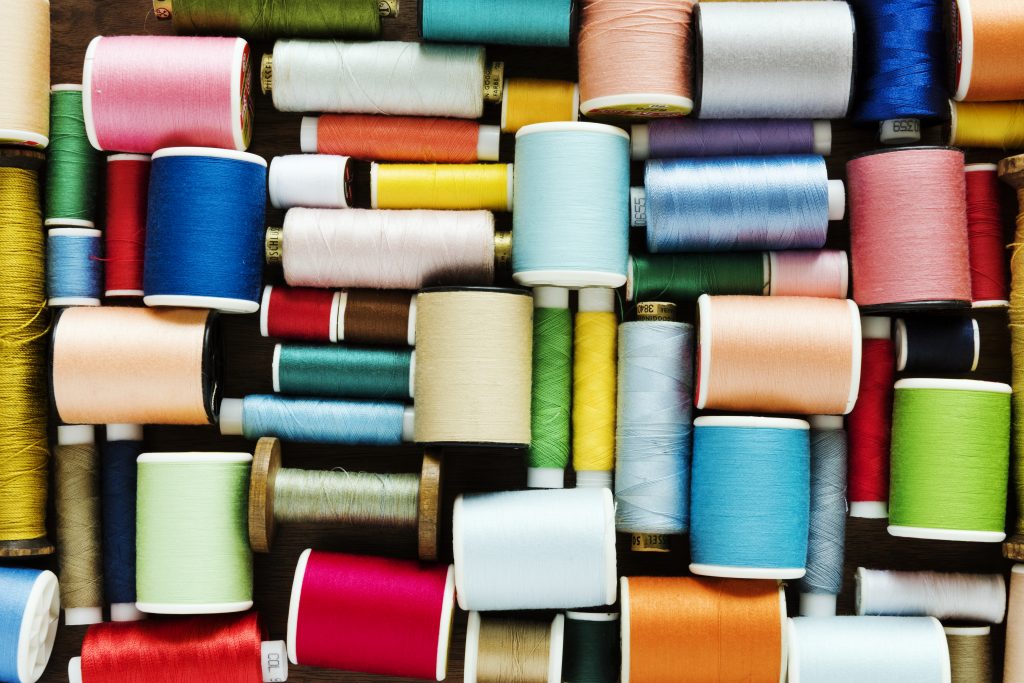
Who would have thought that socks and stockings hold so many secrets? Although we wear them every day, we rarely think about what socks are made of or what yarns for stockings are chosen by manufacturers. And yet it is the yarn that affects the comfort, appearance and durability of our favorite accessories. So… here we go on a journey through the world of sock and stocking yarns!
Cotton yarn – a classic that never goes out of fashion
If you like cotton socks, we have good news! Cotton is one of the most popular yarns used in sock-sock production. Why? It is natural, breathable and skin-friendly. Thanks to it, cotton s ocks breathe and feet stay dry all day. But beware: in order to make cotton socks fit the foot well and have elasticity, elastane or polyester is often added to cotton. This combination makes the socks comfortable and keeps them in place.
Bamboo yarn – nature and comfort in one
More and more people are reaching for socks made of bamboo yarn. Why? Because bamboo yarn is soft, gentle and antibacterial. It also has a thermoregulatory effect, which means that bamboo socks are ideal for both summer and winter. On top of that, bamboo yarn is eco-friendly – produced in an environmentally friendly way. Perfect for those who want to be fashionable and take care of the planet at the same time.
Wool yarn – warmth and comfort all season long
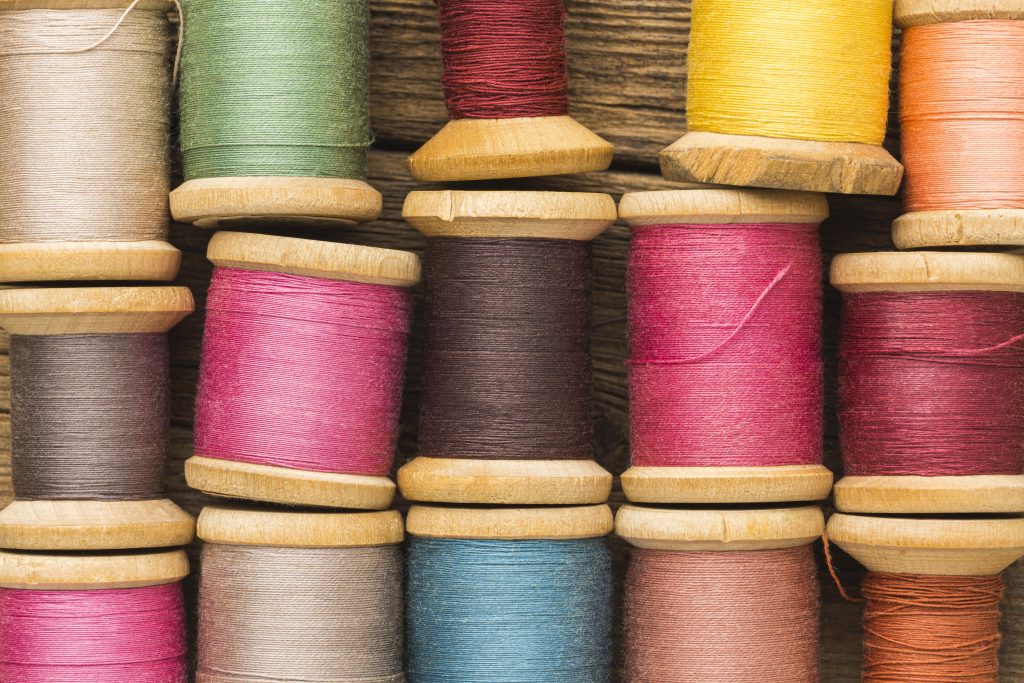
For colder days, we recommend socks made of wool yarn. Merino wool in particular is very popular. It is warm, breathable and extremely soft, so it does not bite like traditional sheep’s wool. Wool socks will work well for mountain hikes or winter walks. They are also resistant to bad odors – meaning your feet can breathe easy!
Synthetic yarn – durability and flexibility without compromise
Without synthetic yarn, our favorite stockings would not have been made. Polyamide, polyester and elastane provide elasticity, fit and durability. Thanks to them, elastane stockings fit perfectly on the legs, and polyamide socks are resistant to abrasion. What ‘ s more, synthetic yarn works well with natural fibers, so manufacturers often combine it with cotton or wool, achieving better product quality and durability.
How are socks and stockings made? A short step-by-step guide!
- Choice of yarn – cotton, bamboo, wool or synthetics.
- Spinning – that is, twisting the fibers into strong threads.
- Knitting – the yarn goes to the knitting machines, where the real magic begins!
- Finishing – the socks get elastic welts, colorful patterns and interesting prints.
- Packaging – the finished socks and stockings go straight to the stores and into your drawer!
What to choose? Socks for every occasion!
Fancy cotton socks for everyday wear? Or maybe wool socks for winter hiking? If you prefer something elegant – elastane stockings will be a hit! Manufacturers do not cease to surprise. You can find socks with floral patterns, socks with animal prints or stockings with delicate lace.
And remember, choosing the right yarn is a guarantee of everyday comfort.
Summary
The types of yarn for socks and stockings have a huge impact on the comfort, durability and appearance of the product. By choosing cotton, bamboo, wool or polyester, you decide how your feet will feel. Now you know what’s inside your colorful socks and why it’s important to pay attention to material composition.